Your relationships, starting with you
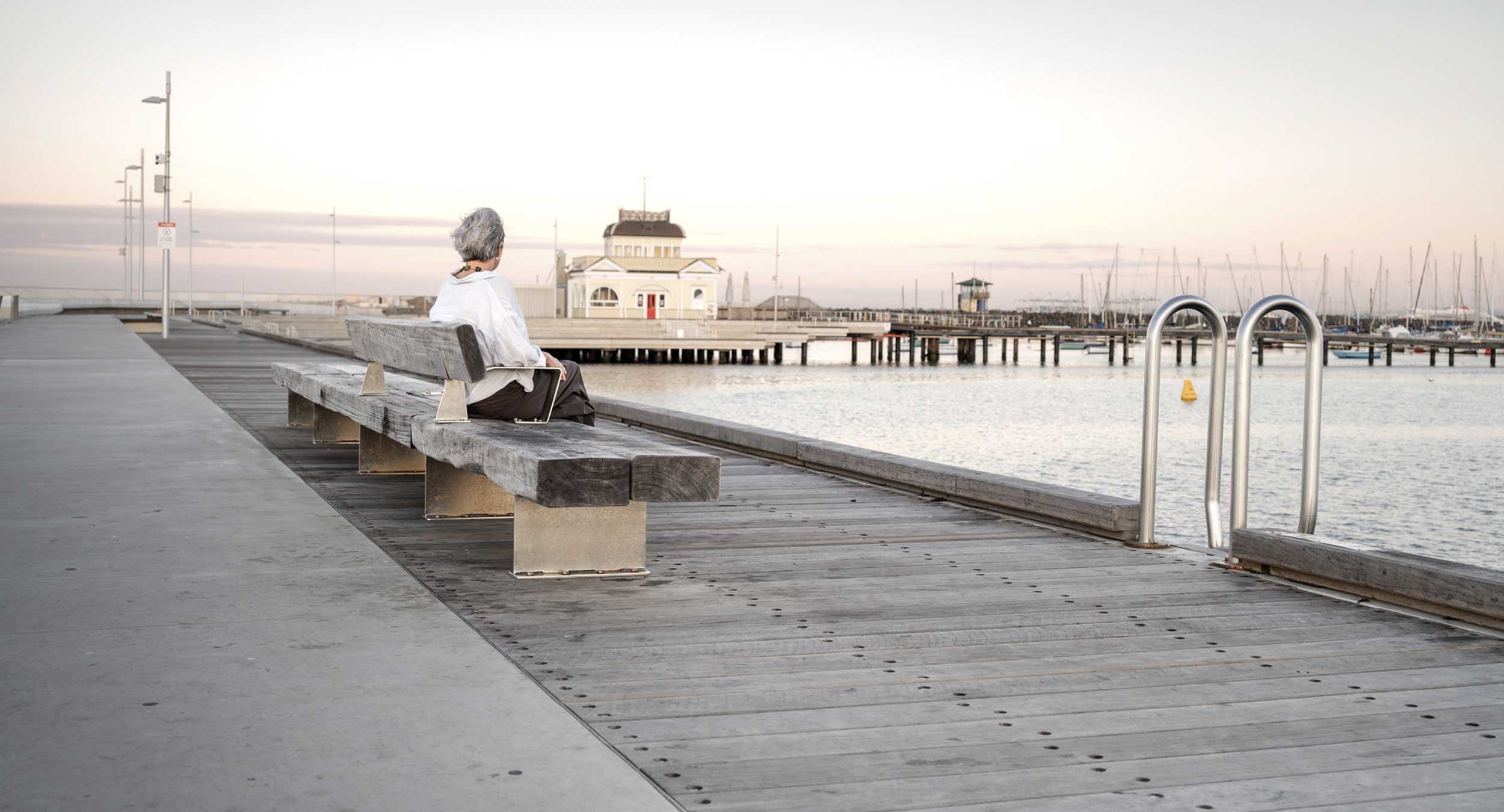
You don’t need to come as a couple. Many people come on their own because they want to understand their part in their relationships, or because they keep finding themselves in the same place with different people.
Changing your own part in a pattern can shift the whole relationship.

People I work with
People whose partner doesn’t want to come to therapy, or isn’t ready yet
People going through separation, or thinking about it
People who keep ending up in the same kind of relationship, or the same kind of argument
People working through relationships with parents, adult children, siblings or colleagues
People who want to understand how their family and past shape the way they love and react now
Neurodivergent and LGBTQIA+ clients
You don’t need to be in crisis to come.
How I work
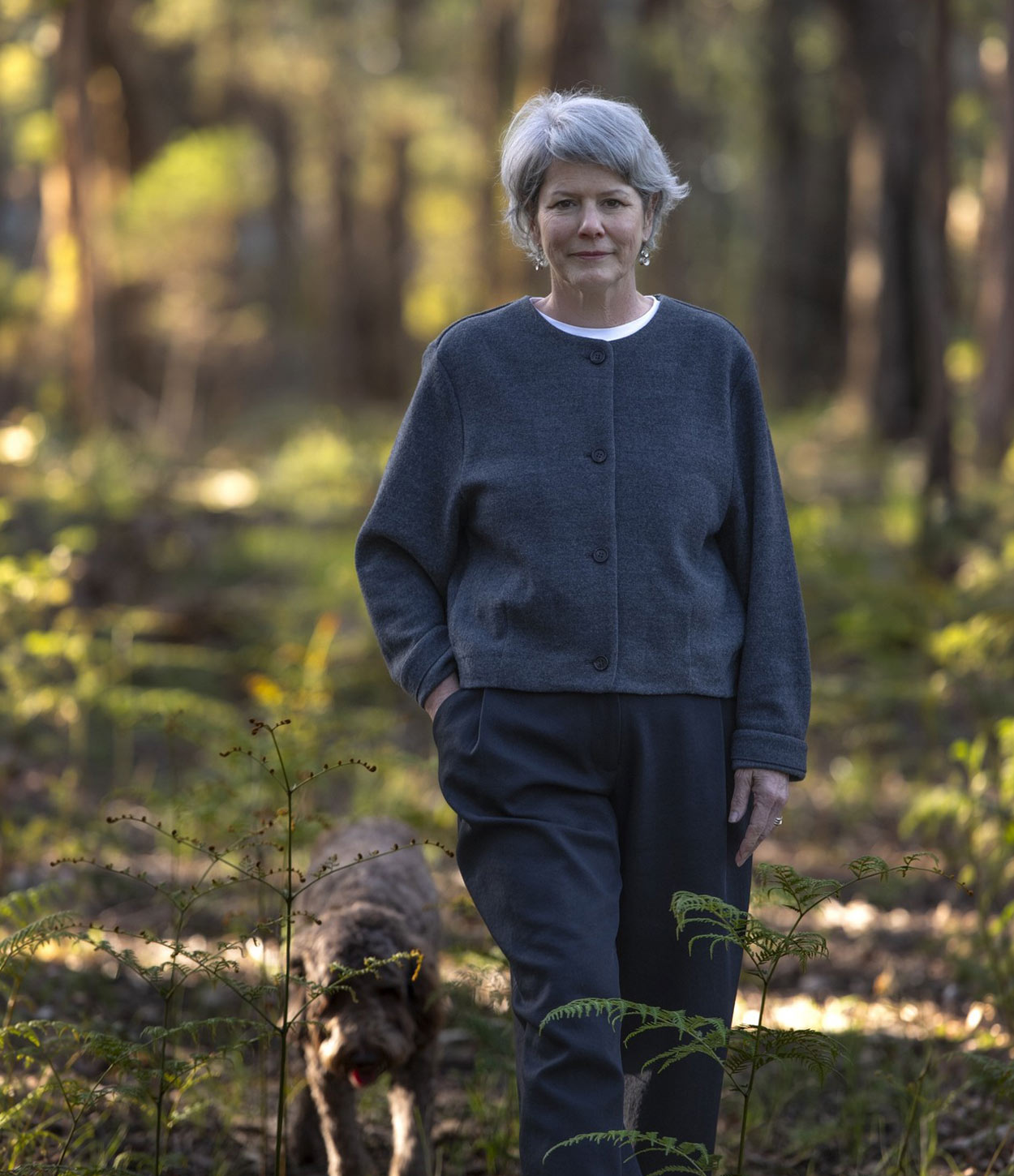
I’m a registered psychologist and RLT Certified Couples Therapist ++. Relational Life Therapy™ works with individuals as well as couples. Together we look at the patterns you find yourself in, where they came from, and what a different move would look like. It’s warm, direct and practical, and I’ll be honest with you, including about the things that are hard to hear.
What to expect
A free introductory call
Fifteen minutes to tell me a little about what’s happening, ask questions and see whether we’re a good fit.
Sessions
Individual sessions are 60 minutes. We’ll agree together on how often to meet.
Between sessions
If you’ve agreed to AI-assisted notes, you’ll receive a written summary after each session.
If your partner joins later
If your partner decides to come along later, we can talk about how best to include them.
Medicare
If you have a referral from your GP under a Mental Health Treatment Plan, you may be eligible for a Medicare rebate. Book an Introductory call
Trauma-informed care
I’m a trauma-informed practitioner. In RLT, we recognise that painful experiences in the families we grew up in are often at the root of relationship difficulties. RLT isn’t a trauma therapy as such. It explores how those early experiences show up in your relationships now, so you can understand them and respond differently. Being trauma-informed means I pace the work with care, and I can recognise when deeper trauma work is needed.

Locations
St Kilda, Melbourne
IN PERSON
Macedon Ranges
IN PERSON
Online
ANYWHERE IN THE WORLD